
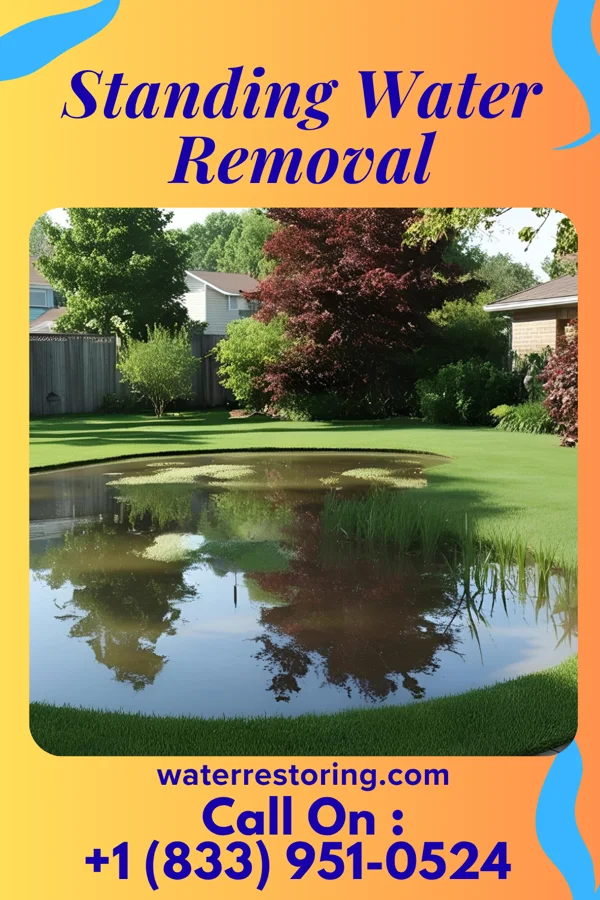
Standing Water Across Coon Rapids Neighborhoods
Every neighborhood in Coon Rapids has a different water damage risk profile. The one that shows up on most restoration calls is In Coon Rapids, water damage often stems from burst pipes, especially during the colder winter months when frozen pipes can rupture. Additionally, heavy rainfall and snowmelt can lead to basement flooding, particularly in homes near the Mississippi River or low-lying areas. These incidents are common due to the city's mix of urban and suburban developments.. A close second is Secondary causes include leaking roofs, plumbing issues in older homes, and water infiltration from nearby bodies of water like the Mississippi River. Homes in areas near Champlin or Anoka may also experience water damage from nearby stormwater runoff or drainage issues..
Coon Rapids experiences a continental climate with cold winters and warm summers, increasing the risk of frozen pipes and subsequent water damage. The region's proximity to the Mississippi River also raises concerns about flooding during heavy storms or snowmelt.
Water damage in Coon Rapids follows a few local patterns. In Coon Rapids, water damage often stems from burst pipes, especially during the colder winter months when frozen pipes can rupture. Additionally, heavy rainfall and snowmelt can lead to basement flooding, particularly in homes near the Mississippi River or low-lying areas. These incidents are common due to the city's mix of urban and suburban developments. accounts for the bulk of our calls. Coon Rapids experiences a continental climate with cold winters and warm summers, increasing the risk of frozen pipes and subsequent water damage. The region's proximity to the Mississippi River also raises concerns about flooding during heavy storms or snowmelt. Mold growth in Coon Rapids can quickly become a serious issue due to the region's humidity levels and frequent rain events. Prompt water damage restoration is critical to prevent mold from spreading in homes and commercial properties.